
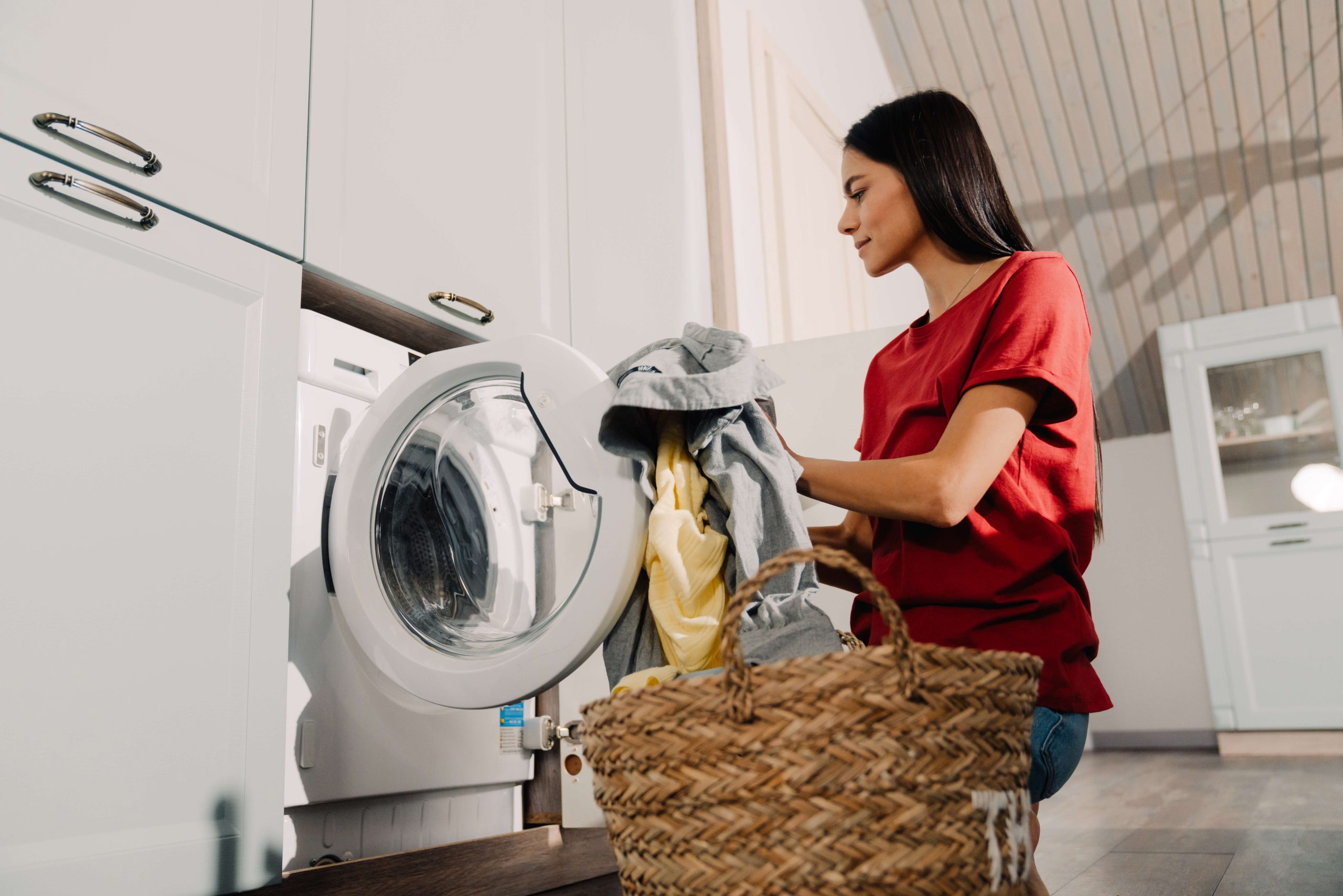
Everyone knows that eating right and exercising can help you live longer. The same works for household appliances. With the right maintenance, washing machines can last more than a decade. All you have to do is give them some regular love and care. Here is how.
1. Read the Manual
Did you know three out of four people don’t take the time to read appliance manuals? These are the same people who pay hundreds of dollars for washer repairs. Their machines usually give out after three to five years.
While manuals are boring, they contain vital information about the appliance’s maintenance. Each model comes with its own set of instructions. So even if it’s not your first washer, you still have to read that fat booklet. Things to pay attention to in the manual are:
- Installation instructions
- How to load the machine
- What detergent to use
- The machine’s capacity
- How to replace or clean filters
- How to clean the machine
If your machine is old, and the manual is long lost, don’t worry. All popular manufacturers post their manuals online.
2. Level the Machine
When installing the machine, make sure it stands on a level surface. If your floor isn’t perfectly smooth, you would need to adjust the washer’s feet. After doing so, use a bubble level to check if the machine is perfectly leveled.
If you don’t level the washer properly, it will create excessive vibrations during each cycle. This can cause significant damage to the machine while making highly annoying noises.
Leveling is especially important for newer washers that have delicate electrical parts. Damaging them could lead to significant repair expenses.
3. Wash the Drum
Your washer’s drum accumulates lint, dirt, and debris. The more you leave inside, the more likely it is to clog the machine and cause bacteria growth. With time, this residue will cause the washer to malfunction.
- Mix one cup of vinegar and one part of water in a spray bottle
- Spray the drum (pay special attention to hard-to-reach places)
- Let the solution soak
- Use a sponge to scrub the interior of the drum
- Run an empty cycle with hot water
Some machines have a dedicated cleaning cycle. Use it once a month to run the machine without any laundry. You can spray the vinegar solution inside to maximize the effect.
4. Clean the Detergent Dispenser Regularly
The detergent dispenser is one of the dirtiest parts of your washer. Standing water coupled with detergent residue promotes serious mold growth. Remove the detergent dispenser at least once a week and rinse it thoroughly.
If you aren’t a big fan of this cleaning process, consider using detergent pods that go straight into the drum. This way your detergent dispenser will stay nice and clean. However, you would still need to remove the pooled water every once in a while.
5. Clean the Filter
The majority of washing machines have filters that trap debris and lint. Clogged filters encourage the growth of mold and residue. Eventually, they can initiate a serious breakdown. Every month or so, open the manual to check how to access the filter and:
- Unplug the machine
- Remove the filter from its housing (water may spill out so have a rag ready)
- Rinse the filter under warm water and then scrub it with a soft brush
- If the filter is extremely clogged, soak it in warm soapy water for five minutes
- Clean the filter housing with a damp cloth
When replacing the filter, make sure that it’s perfectly in place. Otherwise, you could face leaks.
6. Stick to Loading Instructions
One of the biggest mistakes homeowners make with a washing machine is overloading it. While it’s tempting to do as much laundry at once as possible, stuffing your washer full could cut its life short.
The rule of thumb is to leave some space for a large t-shirt before running the cycle. If you overload the washer, it will create extra stress for the motor. This, in turn, could cause the machine to malfunction.
While overloading may look like a time-saver, in reality, a stuffed machine can’t wash your laundry properly. You will end up pulling out dirty clothes with spots of detergent on them.
7. Clean the Door Seal
The door seal tends to trap water and debris during each cycle. Ideally, you should use a dry rag to wipe the seal after each wash. If this doesn’t seem realistic, consider doing it at least once a week.
Moisture and residue that stay in the door seal for a long time lead to mold growth. Eventually, you will notice unpleasant odors.
8. Leave the Door Open
While it may not seem highly aesthetically appealing, keeping the machine door open between washes extends its life span. Allowing the water to evaporate through the opening can minimize mold and mildew growth and prevent musty odors.
You don’t need to keep the door wide open. Simply leave a small crack to allow the air inside.
9. Check Hoses and Connections
At least once a year, check the water supply hoses for any signs of wear and tear. Make sure they are in good shape and securely attached. Replacing worn hoses on time can prevent serious leaks that could damage your floors.
You can also consider scheduling professional maintenance once every year or two. Appliance specialists can identify problems that you may miss and fix them before they turn into unexpected expenses.
Keep Your Washing Machine in Great Shape
A broken washing machine is always a costly disaster. To keep it in top shape for as long as possible, you need to invest a little time in maintenance. Take great care of your washing machine and you’ll extend its lifetime by years, and get quality results with each and every wash. Trust Builders as your source for the best appliances in Kearney!