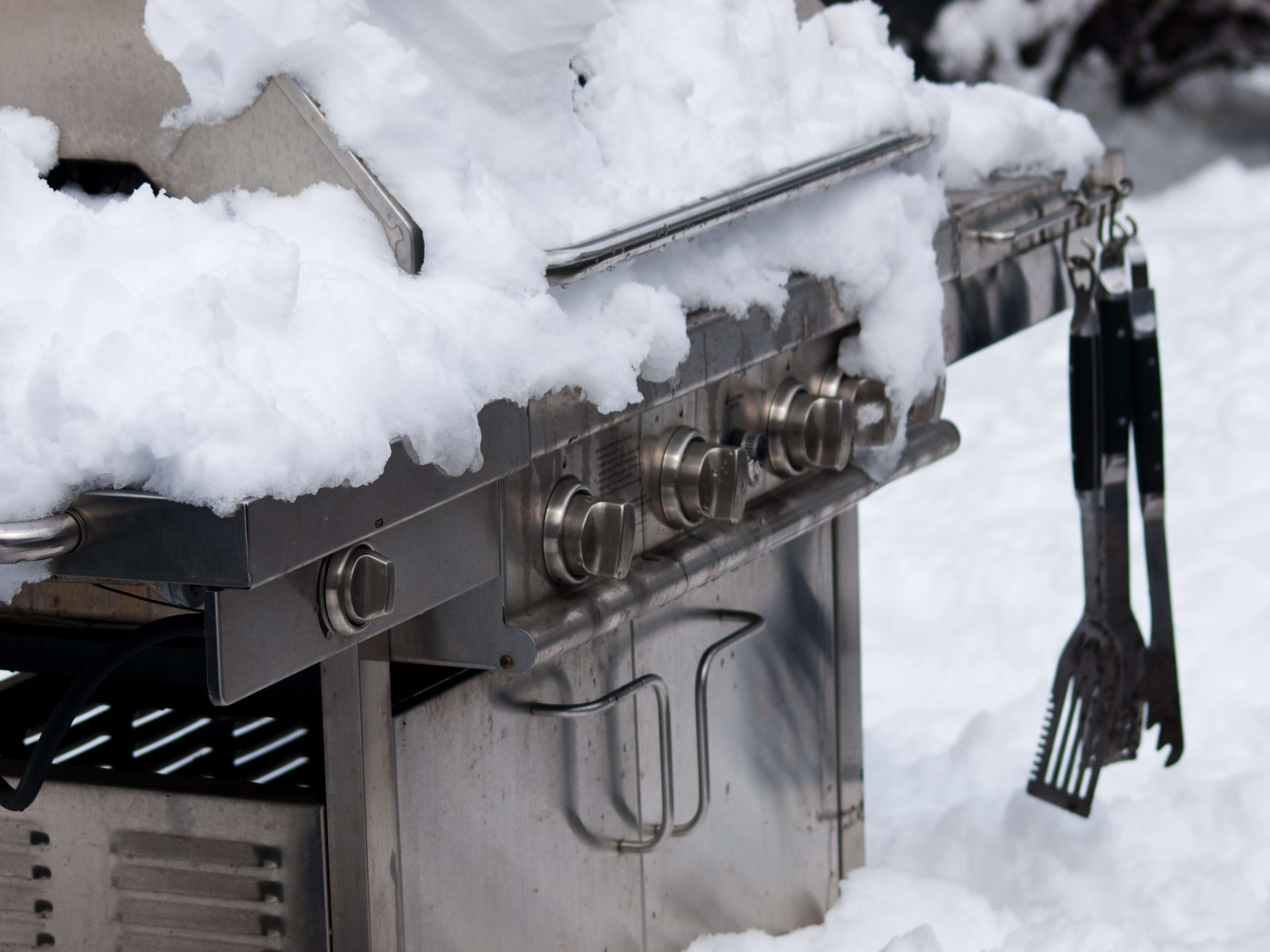
To many, grilling is an activity for nearly any season except for winter. The cold weather of the winter months certainly puts a unique twist on cooking food outdoors, but it isn’t impossible. With these tips, you’ll be able to enjoy delicious grilled food year round.
1. Choose the Right Grill for Winter
Although you can grill in the winter on any type of grill, a gas grill brings a number of advantages. They heat up quickly and have more precise temperature control than a charcoal grill does. This can make it easier to control the heat in extremely code weather.
Regardless of the type of grill you choose, you want to find a model that’s well-built. Consider trusted grilling brands like Trager, Weber, and Blackstone. Cheaper grills are less insulated than a good quality unit. This can make it even more difficult to maintain the proper temperature during the grilling process.
2. Location is Key
Wind can be a bit of an issue even in the summer months when it’s relatively warm air blowing across the grill. In the winter, the cool chill of the wind can seriously impact the heat retention of the grill. That makes it even more important to find a location that’s shielded nicely from the wind.
However, you should also take safety into consideration when choosing this location. Remember, a grill has open flames that may occasionally flare up. Keep it away from overhangs or other low-hanging objects that may catch fire.
3. Preheat Longer Than Usual
In the hot summer months, the flames of your grill have little resistance to getting up to the desired temperature. This isn’t true in the winter. Prepare for the extra rise in temperature required to get a grill going in the colder months compared to when you’re used to cooking out. With experience, you’ll find the perfect preheating time for your winter climate.
4. Check and Maintain Temperature
The main challenge of cooking in the cold is going to be keeping the temperature at a consistent level. A good grill thermometer is always a handy thing to have around but becomes a necessity when cooking in the winter. Because the cold air will constantly be impacting the temperature of the grill, you’ll need to keep a closer eye on the temperature.
5. Plan for Longer Cooking Times
It isn’t just the preheating phase that can take longer in the winter. You need to plan for extended cooking time as well. When relevant, use a good meat thermometer to ensure that the food reaches a safe internal temperature before you remove it from the grill and serve it.
6. Dress Appropriately
You probably don’t need to be told to bundle up before going outside in the cold. Though it’s nice to be reminded that you may be spending more time outside than you’d planned for as you deal with keeping the temperature at the right level and to cold winter air puts a chill on the grill.
One thing to consider that might be less obvious is that you should avoid wearing some of the looser-fitting clothing that people wear in the winter. As you’ll be working around flames, you don’t want to run the risk of accidentally setting your clothing on fire.
7. Keep the Lid Closed
As this is another potentially obvious tip, we saved it for last. Keeping the lid of the grill closed will help trap the heat that the flames put off inside of it, making it easier to maintain the temperature. This is especially true if you followed the advice of the first tip and have a nicely insulated grill to cook on.
Get Your Grills at Builders
If you don’t have a grill suitable for winter cooking, now’s the perfect time to upgrade. You’ll be able to cook during the winter months and have a fantastic grill when the more active grilling season begins. Our selection of grills will provide you with all the options you need. You’ll also find grilling supplies to get you started grilling quickly.